
Many businesses will talk about shipping when they mean freight, or vice versa. This isn’t because they’re confused or ignorant — it’s a function of just how closely related these two terms are when talking about logistics. Understanding the difference not only cuts down on misunderstandings, but it also can have subtle but important effects on a company’s supply chain operations.
Although the two terms are often used in each other’s place, each one is unique as a concept. This means they come with different processes and costs, and knowing what sets each one apart can be important for helping businesses keep their supply chains in order. The following is an overview of what each term means, where it applies, and how they relate to each other.
What is Freight?
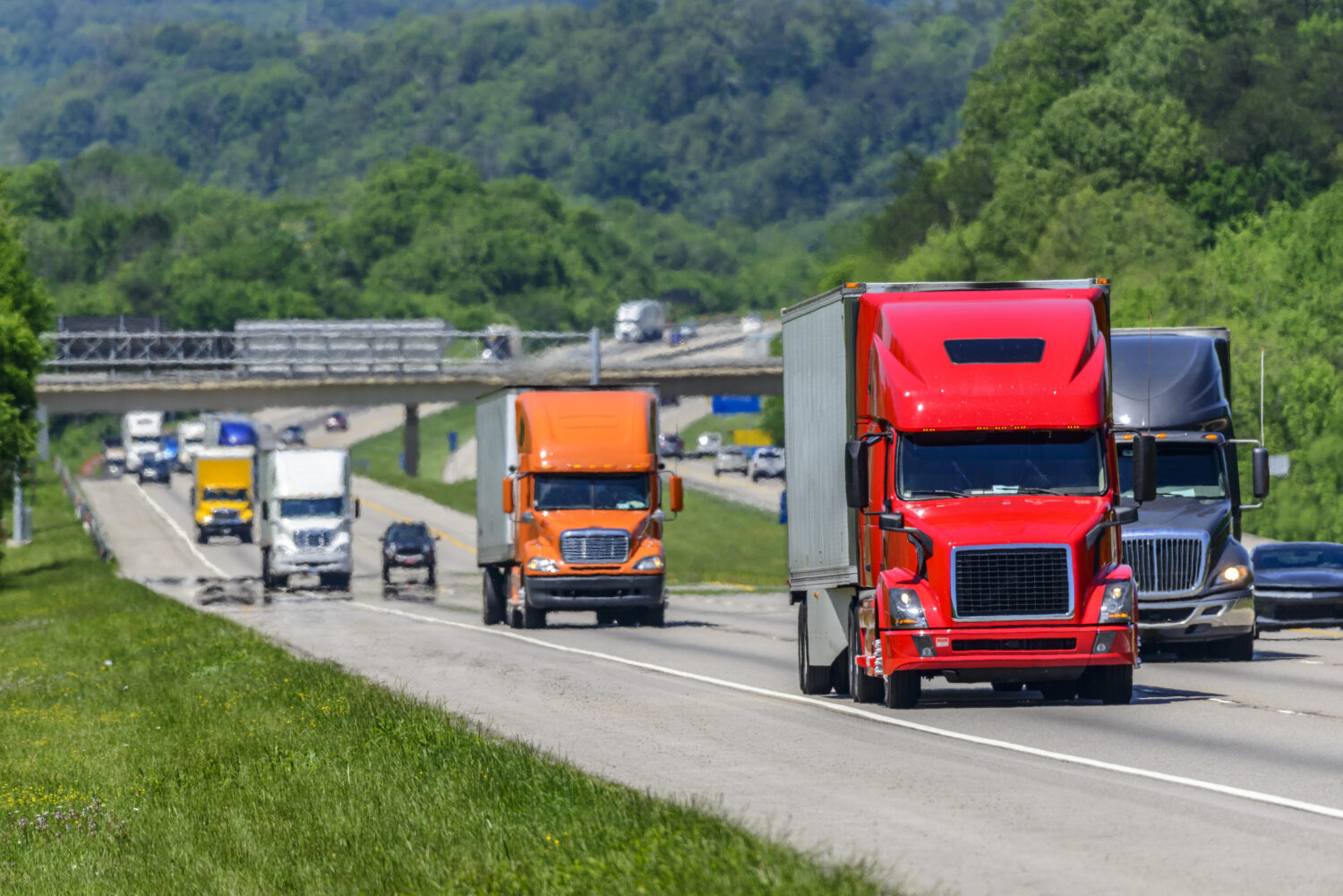
Freight is the common term used to describe any large-volume commercial cargo. Whether it is palletized, containerized, or shipped in bulk, freight tends to be much larger than other types of shipments. For example, automobiles traveling via container ship would qualify as freight, as would bulk shipments of raw materials shipped via rail car.
What is Shipping?
On the other hand, shipping is an umbrella term that refers to the movement of smaller goods from one place to another. This includes everything from eCommerce orders delivered directly to customers by a delivery service as well as individual components shipped to companies from a manufacturer via courier.
Freight vs. Shipping: a Side-by-Side Comparison
Even though they share some common elements, freight and shipping can be wildly different from each other in some significant ways. Here is a quick rundown of the differences between each:
| Freight | Shipping |
Shipment Size | Large or bulk shipments | Small to medium packages |
Typical Customers | Businesses & manufacturers | Consumers & businesses |
Transportation Modes | Truckload, rail, ocean, air | Parcel carriers, couriers |
Packaging | Pallets, containers, crates | Boxes, envelopes, parcels |
Cost Structure | Weight, pallet, container rates | Parcel and dimensional pricing |
Delivery Complexity | Higher | Lower |
Common Use Cases | Wholesale & industrial logistics | Retail & eCommerce fulfillment |
Common Types of Freight Transportation
Businesses have a wide range of options when it comes to moving freight, including:
- Full Truckload (FTL) — This method involves moving freight shipments using a single dedicated truck and trailer, which can be expensive.
- Less-than-Truckload (LTL) — Sharing a trailer with other cargo can keep costs down but can introduce delays into the shipping process.
- Intermodal freight — Some freight must be coordinated using multiple modes of transportation, which adds more complexity to the process.
- Ocean freight — Container ships provide reliable international freight service but add a considerable amount of time to shipping timelines.
- Air freight — Moving freight via air is fast but comes with added cost and other limitations.
- Rail freight — When using railways, companies need to consider last-mile services to get freight to its final destination.
Common Types of Shipping Services
Choosing the right type of shipping service depends on the nature of the shipment as well as the expectations:
- Standard shipping is best for all-purpose shipments that don’t require any specialized handling or accelerated delivery.
- Expedited shipping comes with an added cost in most cases but ensures fast delivery for time-sensitive items.
- Same-day and next-day delivery have become the expectation for eCommerce customers who value the convenience of having their orders delivered ASAP.
- International parcel shipping ensures delivery of items shipped between parties in different countries.
- White-glove delivery services typically are reserved for items that require specialized handling or on-site installation, such as kitchen appliances or furniture.
Freight vs. Shipping Costs
Despite their differences, the factors that determine freight and shipping rates are generally the same. These include:
- Weight and dimensions
- Distance and fuel costs
- Freight classification and handling
- Accessorial fees
- Delivery speed expectations
- Residential vs. commercial delivery requirements
When Businesses Should Use Freight Services
Here are some of the most common situations that call for companies to look for freight services:
- Bulk inventory movement
- Manufacturing supply chains
- Palletized warehouse shipments
- International imports and exports
- Large retail replenishment orders
When Businesses Should Focus on Shipping Optimization
Determining the right shipping strategy for a company is most important for:
- eCommerce fulfillment operations
- Subscription box businesses
- Direct-to-consumer brands
- Brands looking to improve last-mile delivery performance
- Businesses who want to make shipping speed a competitive advantage
How Warehousing Connects Freight and Shipping
Strong warehouse operations are the link between freight and shipping. Capable warehouse partners have the capacity to handle large-volume freight as well as inventory management, picking, and packing for parcel shipment needs. These facilities also provide critical logistics coordination including cross-docking and distribution workflows to help businesses make the most efficient use of their time and resources while taking as much of the heavy work off their shoulders.
Understanding Freight and Shipping for Better Logistics Decisions
Even though freight and shipping are very different, they’re still connected. Businesses need to understand each to make sure their strategies match the situation, with warehousing and fulfillment capabilities tailored to whatever it requires. This is critical for achieving the highest levels of efficiency and customer satisfaction.
Midwest AWD provides flexible inbound and outbound logistics solutions for B2B and B2C operations, with scalable support built for growing operations. We offer freight receiving and storage support along with distribution and fulfillment services. If you’d like to learn more about what we can do for you, reach out and speak with one of our knowledgeable representatives today.