
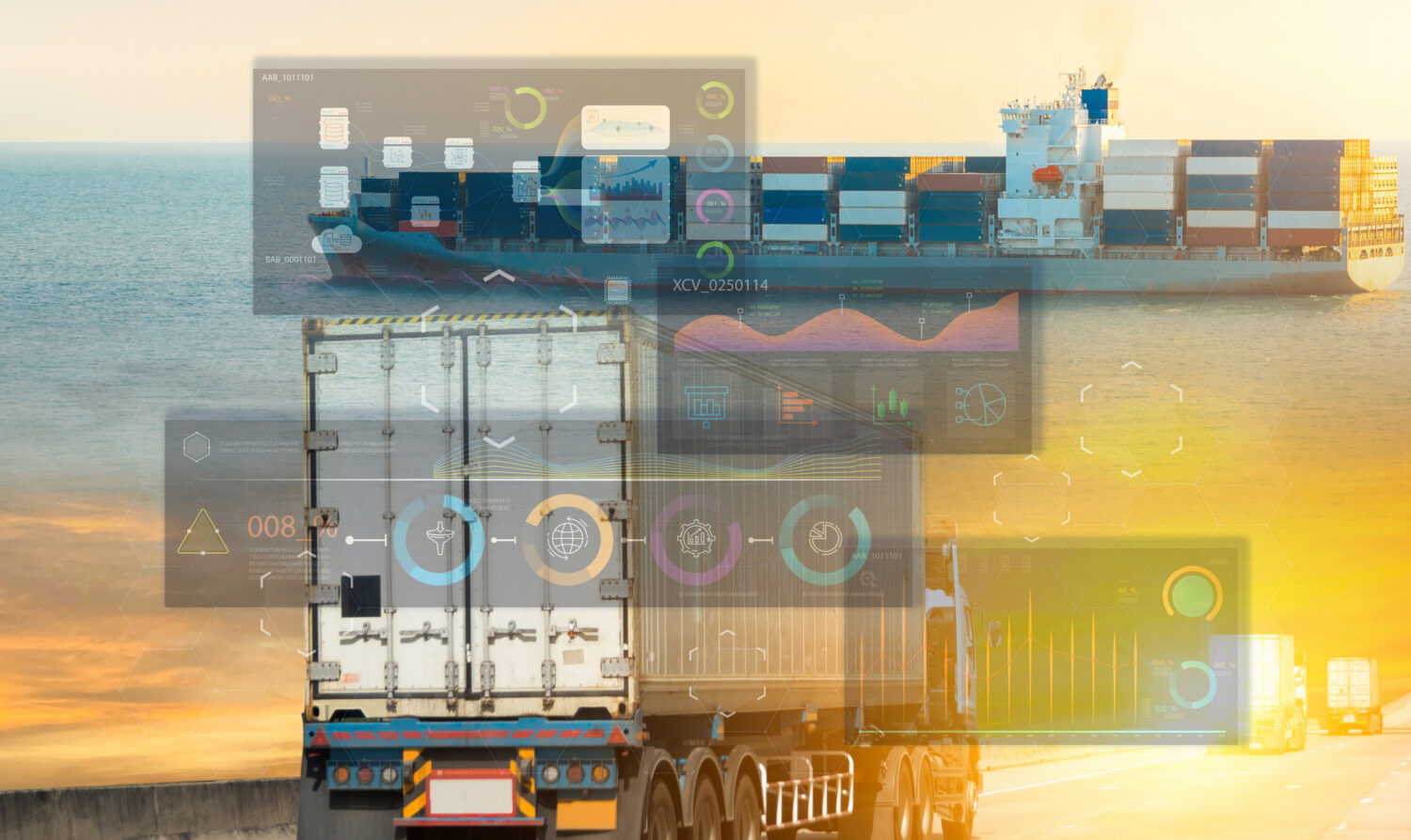
Every container that crosses an ocean or rides a rail line still needs a truck to carry it the last few miles. That short-distance leg – known as “drayage” – connects ports, rail yards, warehouses, and distribution centers.
Drayage serves as the first and last mile of intermodal shipping, bridging long-haul cargo movement and local delivery. The distances are short, but the impact is outsized. Delays at this stage can ripple throughout the entire supply chain.
What Is Drayage in Logistics?
Drayage is the short-haul transport of goods by truck, often within 50 miles of a port or terminal, but distances can extend further depending on port geography. A drayage truck handles short local routes between ports, rail terminals, warehouses, and distribution centers, rather than covering cross-country miles.
The term itself comes from "dray," that is, a horse-drawn cart once used for short-distance deliveries. The distances have not changed much since then, but the role has become far more critical.
Without drayage shipping, container freight sits idle at the port with no mechanism to reach its next destination. It can help keep cargo in motion between transport modes and prevent bottlenecks before they start.
Where Drayage Fits in the Logistics and Supply Chain Process
Drayage bridges the gap between logistics stages, serving as the first mile from origin and the last mile to a receiving facility. The exact sequence varies by shipment, but common flows include:
- Factory to port
- Port to inland warehouse
- Port to rail ramp to distribution center
International shipments often require drayage services twice – once from the origin warehouse to the port and again from the destination port to the receiving facility. Container drayage at both ends keeps cross-border supply chains on schedule and supports just-in-time inventory models, where timely pickup and delivery between hubs keeps production moving.
Tight warehousing and distribution coordination on the receiving end can help teams unload, process, and turn around containers faster.
Common Types of Drayage
Drayage services fall into several categories depending on route, function, and how the cargo moves:
- Port drayage/pier drayage – container from port to nearby warehouse or rail ramp
- Intermodal drayage – containers between different transport modes
- Inter carrier drayage – transferring cargo between different carriers at transportation hubs
- Intra carrier drayage – moving within the same carrier's network
- Expedited drayage – time-sensitive shipments, particularly perishable goods
- Shuttle drayage – excess containers moved to temporary storage when a terminal runs out of room
- Door-to-door (terminal-to-door) – short-haul from transport hub to final receiving location
- Domestic drayage – product transloaded from a marine container into a domestic container and moved inland
- Marine drayage – product stays in the marine container until it reaches its final destination
The right drayage type depends on where the container needs to go, how quickly it needs to get there, and whether the cargo changes containers along the way.
How Drayage Works: Step-by-Step
A typical drayage move follows a defined sequence:
- A container arrives at the port or rail terminal.
- The carrier assigns and secures a chassis – a trailer designed to carry the container.
- The driver loads the container and transports it to the destination.
- The receiving facility accepts delivery and unloads the cargo.
- The driver returns the empty container to the depot, port, or rail terminal.
Some carriers use a street turn (also called a “match-box”) to reduce empty miles: The driver delivers an import load and picks up an export container on the return trip. The key parties involved include drayage carriers, freight brokers, terminal operators, and receiving warehouses.
Why Drayage Is So Important in Modern Logistics
Efficient drayage can help reduce container pileups at port, though vessel schedules, labor availability, and chassis pools can also drive congestion. When drayage slows down, the effects can ripple into production schedules, inventory availability, and customer delivery windows.
Two fees make delays especially costly:
- Demurrage – a daily charge for a container left at the port past its allotted free time
- Detention – a fee charged when a carrier does not return a container within the agreed timeframe
Fast turnarounds can help avoid both.
Drayage costs also add to a shipment's total landed cost. Common components include the linehaul rate, fuel surcharge, chassis fees, and drop fees. Congestion surcharges may also apply. Understanding these line items can help logistics teams budget more accurately and identify areas to reduce spend.
Key Challenges in Drayage Operations
Even with strong planning, drayage operations face several recurring issues:
- Port congestion and terminal delays: Overwhelmed terminals slow down every move in the queue.
- Driver shortages: The market is fragmented across thousands of small local carriers, which limits available capacity.
- Chassis availability: A lack of chassis can contribute to delays at busy ports and terminals.
- Regulatory compliance: Emissions standards and port entry rules vary by region.
- Cost volatility: Drayage fees shift with fuel prices, congestion surcharges, and accessorial charges.
- Scheduling pressure: Drivers run tight daily schedules, and one delay at a single stop can cascade through the rest of the day.
The fragmented nature of the drayage market – thousands of small carriers, inconsistent terminal processes, and limited real-time visibility – makes each of these harder to solve in isolation.
Drayage vs. Other Freight Transportation Types
Drayage often gets lumped in with other freight services, but there are important distinctions.
Drayage vs. Long-Haul Trucking
Drayage covers short local routes between ports, terminals, and nearby facilities. Long-haul trucking covers hundreds or thousands of miles across highways and state lines. Drayage also demands terminal experience and chassis coordination that most long-haul carriers are not equipped to handle.
Drayage vs. Freight Forwarding
A freight forwarder (FF) arranges transportation of goods from an importer or exporter to the final destination. Drayage carriers physically perform the short-haul leg. An FF may contract drayage as part of a larger shipment but does not execute it.
Drayage vs. Intermodal Shipping
Drayage moves freight by truck only over short distances. Intermodal shipping uses two or more modes of transport over longer distances. Drayage is a component of intermodal, but the two are not the same.
How Technology Is Transforming Drayage
Several tools are helping drayage operations run more efficiently:
- Transportation Management Systems (TMS) help optimize routing and provide real-time shipment tracking across carriers.
- Visibility platforms can give shippers and brokers real-time container tracking from terminal to destination.
- Appointment scheduling systems can help manage terminal access windows and reduce driver idle time at congested ports.
Cleaner fleets are also gaining traction. As ports tighten emissions standards, carriers are investing in low-emission and electric drayage trucks to maintain access and stay compliant.
Across all of these tools, the common thread is visibility. The more a logistics team can see in real time, the faster it can respond to delays, reroute drivers, and keep containers moving.
How to Choose a Drayage Partner
Choosing the right drayage partner starts with a few key criteria:
- Coverage and port access: The carrier should be registered and current for every port and ramp the shipment touches.
- Equipment: Participation in the Uniform Intermodal Interchange and Facilities Access Agreement (UIIA) makes chassis access faster and more reliable.
- Compliance and insurance: Emissions certifications, commercial driver's license (CDL) requirements, and port-specific regulations all need to be in order.
- Communication: Drayage runs on strict schedules, and delays demand fast, clear updates.
- Integration: The carrier should coordinate smoothly with any logistics services and warehouse operations on the receiving end.
Long-term partnerships with a reliable drayage service provider can also lead to more favorable rates and more consistent service.
How MAWD Supports Drayage and Port-Centric Logistics
When drayage and warehouse operations work together, businesses can control costs and reduce the time containers sit idle before unloading. Midwest Assembly, Warehouse and Distribution (MAWD) pairs drayage transportation services with warehouse-side support to help keep cargo moving once it arrives.
Below are a few of the services that help facilitate faster turnarounds:
- Cross-docking – goods from an inbound drayage truck to outbound transport with minimal storage time
- Short-term storage and transloading – cargo transfers from marine containers to domestic trailers for inland distribution
- Integrated warehousing and distribution – help keep goods flowing from drayage delivery through fulfillment
- 3PL eCommerce fulfillment – outsourced picking, packing, and shipping that can scale with seasonal volume and shifting B2B or B2C demand
MAWD helps businesses move containers faster, reduce dwell time, and connect drayage to fulfillment under one roof. To begin exploring your drayage options, contact us today for a free consultation.