
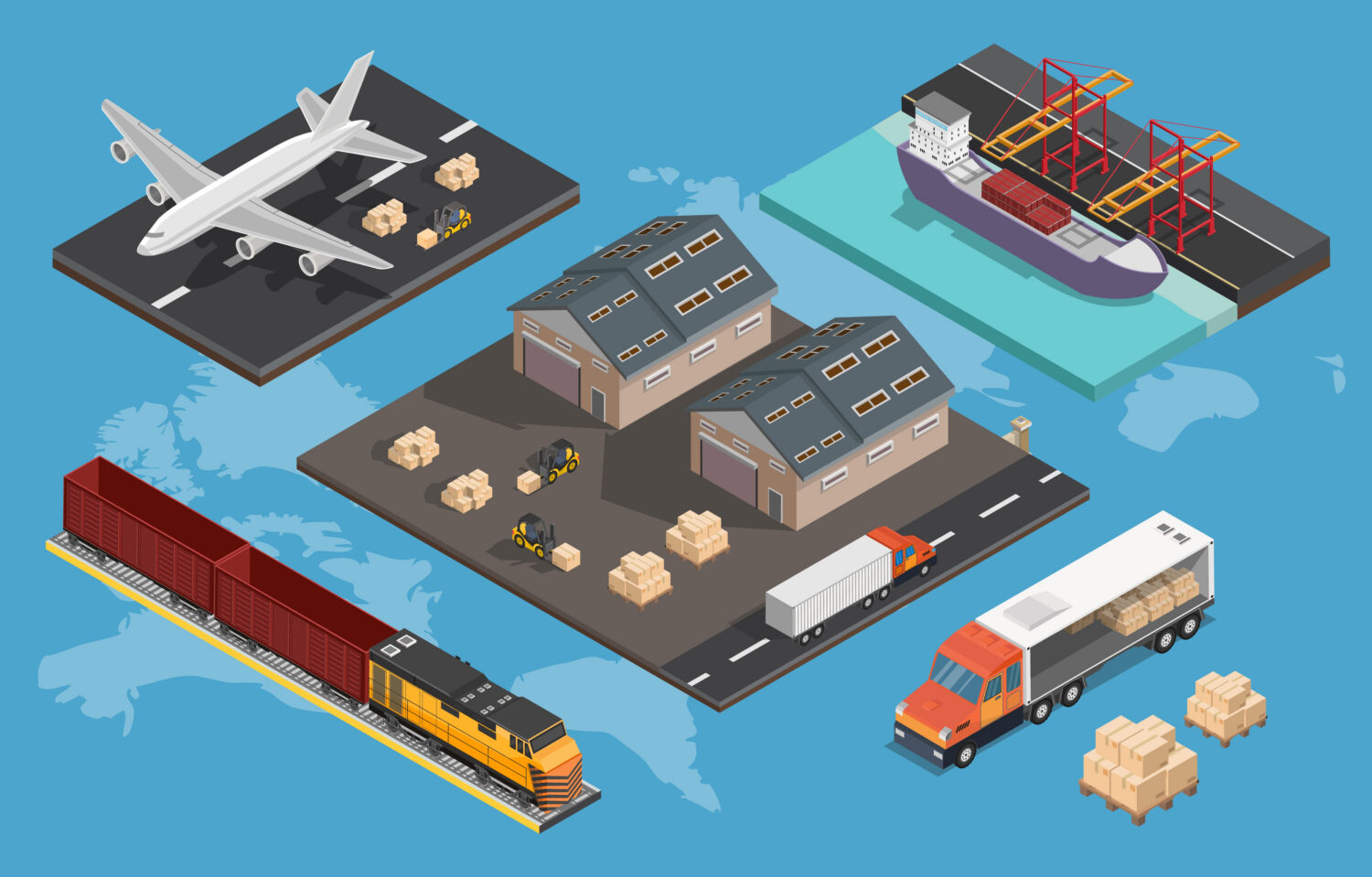
Given how complex the modern supply chain is, it’s no wonder businesses often get confused when trying to manage theirs. For example, take the differences between freight forwarding and third-party logistics (3PL). Although many businesses often need both services, they serve different functions within the overall logistical ecosystem. Understanding the distinctions between each model and when to use them is critical for any business trying to establish logistics partnerships and get a handle on their supply chain complexity.
What is a 3PL?
A 3PL provider is a company that provides a wide range of services related to the supply chain. These can include:
- Warehousing and storage services
- Inventory management
- Order fulfillment and distribution
- Transportation coordination
- Value-added services such as kitting, assembly, labeling, and cross-docking
What is Freight Forwarding?
Freight forwarders are more focused in their services, concentrating on the coordination of domestic and international shipping. Among the many capabilities they offer are:
- Freight carrier and route management
- Customs documentation and compliance
- Ocean freight, air freight, rail, and trucking coordination
Freight Forwarding vs. 3PL: Side-by-Side Comparison
Even though there may be some overlap in what they can do, 3PL providers and freight forwarders generally fill different roles in modern supply chain management. Here’s a brief summary of the key differences between each approach:
| 3PL | Freight Forwarder |
Primary Focus | Warehousing & Fulfillment | Transportation Coordination |
Inventory Storage | Yes | Limited or None |
Order Fulfillment | Yes | Typically No |
Carrier Coordination | Often | Core Function |
Customs Support | Sometimes | Frequently |
Transportation Modes | Regional/Domestic Focus | Global/Intermodal Focus |
Value-Added Services | Extensive | Limited |
Best For | Ongoing Logistics Operations | Shipment Movement Management |
When Businesses Should Use a 3PL
Outsourcing warehousing and logistics to a 3PL provider makes sense for businesses with specific needs. For example, growing ecommerce operations can rely on 3PL services to give them added capacity and fulfillment capabilities. Manufacturers often use 3PLs to provide inventory storage and scale to meet seasonal demand. In general, 3PL tends to be the choice for companies seeking faster shipping and distribution support as well as end-to-end warehouse management.
When Businesses Should Use a Freight Forwarder
On the other hand, freight forwarding can be the better option in other circumstances. These include whenever coordinating international shipping, managing complex customs requirements, or handling intermodal transportation. Freight forwarding services tend to be the best fit for companies that don’t have a lot of internal expertise when it comes to transportation.
Can a Business Use Both a 3PL and a Freight Forwarder?
The short answer is that companies can utilize the services of both a 3PL partner and a freight forwarder to gain benefits throughout their supply chains. The most prominent use case for this model would be for companies dealing with goods from overseas. A freight forwarder serves a critical role in coordinating the shipment of these products from the international supplier, with the 3PL receiving the goods, storing them, and fulfilling the inventory on the domestic side. Integrated logistics coordination in this manner provides companies with significant benefits in terms of efficiency and reduced complexity. Working with both sides means practically all areas of the supply chain are covered, freeing the company to keep its attention focused on its core competencies.
Common Challenges Businesses Face Without the Right Logistics Partner
Without the expertise and capabilities of a qualified transportation and logistics partner behind them, companies can face a number of unfortunate challenges, such as:
- Delayed shipments
- Inventory visibility issues
- Warehouse bottlenecks
- Rising transportation costs
- Poor customer delivery experiences
How MAWD Supports End-to-End Logistics Operations
Midwest AWD provides a wide range of logistics services that fit into businesses’ broader supply chain operations. We support manufacturers, retailers, and distributors with:
- Warehousing and distribution support
- Inventory management capabilities
- Fulfillment and transportation coordination
- Flexible storage and scalable operations
Choosing the Right Logistics Solution for Your Business
Freight forwarding and 3PL are different but equally important functions within your larger supply chain operations. Having the right logistics strategies that align with your business goals means you may often use these two services at the same time, and this can provide you with significant improvements in terms of your efficiency, visibility, and scalability. To learn more about how Midwest AWD can be your partner for warehousing and distribution capabilities, reach out and speak with a knowledgeable member of our team today.